
JAPANESE ART
In 1962, I bought this wonderful 18th-century carved ivory netsuké of a snarling tiger, unsigned but by the unmistakeable hand of the Edo School master Tomotada, from a Carlisle dealer who had bought it earlier that day in a Penrith auction for the princely sum of £3 and sold it to me for £8. The following week I, very reluctantly, sold it to a London specialist dealer for £120, the equivalent of a month's income for me in those days, which he assured me was a world record for a netsuké at that time. Value today? I would guess probably in the tens of thousands.
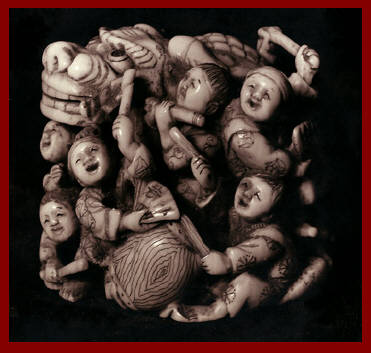


A pleasing mid 19th-century carved ivory netsuké of very large size, about 80mm high, of children celebrating the dragon dance. There is a tradition that very large netsukés such as this were worn by sumo wrestlers
A mid to late 19th-century carved staghorn netsuké of an apprehensive Shoki, the not always successful Demon Queller, attempting to subdue an oni, holding him by his horns; what the oni thinks of the proceedings is more than clear from his expression
A late 18th-century carved ivory netsuké of a wonderfully stylised chick
A superb Meiji period cloisonné vase on a silver base, demonstrating several techniques including the rare cloisson-free enamelling of the bamboo ground, the ring handles enamelled to simulate jade, fully signed Hayashi Kodenji, (1831-1915)
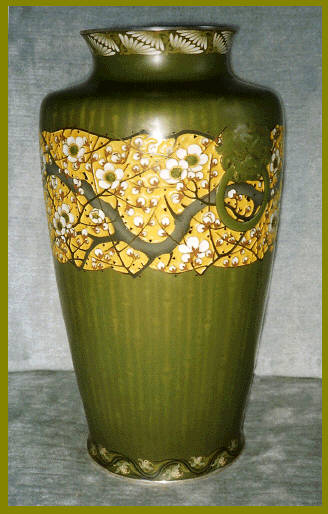


A superb Meiji period bronze, enamelled and silver koro, on a fine carved hardwood stand, 24cm high, (overall)
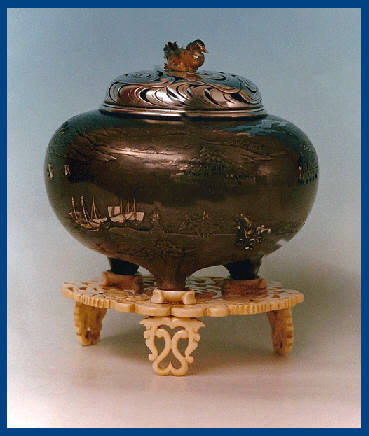
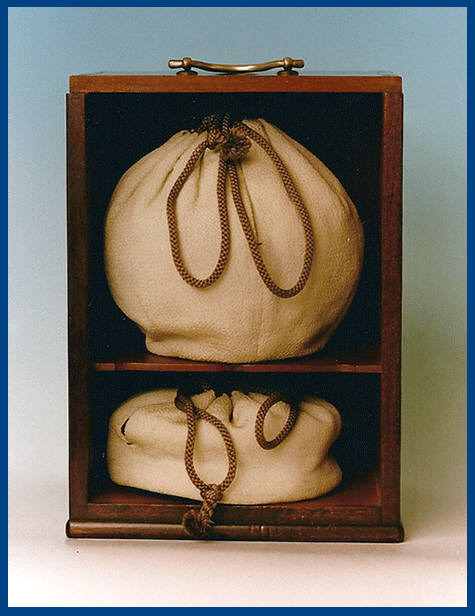
A truly wonderful Meiji period bronzed iron koro, inlaid with a landscape in gold and silver, the silver cover surmounted by a gold and enamelled duck, the pierced ivory stand carved with crysanthemum mons, fully signed, 14cm high, (overall), complete with doeskin draw-string bags and hardwood carrying case.